
Please read candidacy statements for the IASR Board Election and submit your vote by November 10, 2025.
Candidate for President-Elect: Vladimir Carli, MD, PhD
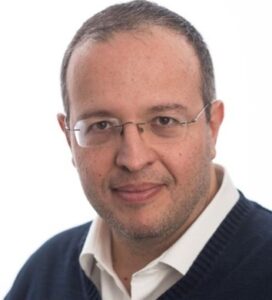
Vladimir Carli, MD, PhD
Associate Professor, National Centre for Suicide Research and Prevention of Mental Ill-
Health (NASP), Karolinska Institutet, Stockholm, Sweden
[su_expand height=”30″]
Candidacy Statement
My professional life has been devoted to prevent suicide and advance suicide prevention through rigorous research, innovation in preventive interventions, treatment of mental disorders, knowledge translation for policy makers and international collaboration. I have been actively involved with IASR for several years and serve as Treasurer of the organization since 2020. Becoming IASR President would allow me to leverage my experience as Board Member and my extensive knowledge of IASR. If elected, I will focus on the following
objectives:
Expanding Global Representation and Cultural Diversity
Further improve the international standing of IASR as a global organization that represents and serves the worldwide suicide prevention community. While we have strong representation in North America and Europe, suicide is a global public health challenge and research in suicide prevention is critically needed in non-Western cultures. I am committed to expanding IASR’s reach to underrepresented continents, ensuring that diverse cultural perspectives, research approaches, and prevention strategies from all regions are represented and valued within our organization.
Supporting Early Career Researchers
I am especially committed to continuing and expanding the excellent work already underway to increase participation of early career researchers, an initiative I have been part of as a board member. Early career researchers represent the future of our field, and we must invest in their development through enhanced mentorship programs, research methodology workshops, grant writing training, and opportunities for international collaboration.
Building a Vibrant Global Research Community
I envision transforming IASR into a dynamic, interconnected community where suicide researchers from all countries actively engage throughout the year—not just at our biennial conference, by creating multiple touchpoints for connection and collaboration: regular virtual seminars featuring researchers from different regions, online workshops on emerging methodologies, digital forums for sharing preliminary findings and seeking feedback, and collaborative research networks organized around specific themes or populations.
Career Summary
I am a psychiatrist with comprehensive training in both clinical practice and research methodology. I received my MD degree in Medicine in 1998 and completed my specialization in Psychiatry in 2002. I earned my PhD in Neurosciences in 2006. Following my doctoral degree, I completed postdoctoral training in Italy (2007-2008) and Sweden (2009-2010). I was appointed as University Lecturer in 2010, Senior Lecturer in 2012 and Associate Professor in 2019. Currently, I am an Associate Professor of Psychiatry at Karolinska Institutet in Stockholm, Sweden, where I serve as Director of the Swedish National Centre for Suicide Research and Prevention of Mental Ill-Health (NASP) and Deputy Head of The Department of Learning, Informatics, Medical Management, and Ethics. I also serve as Director of a WHO Collaborating Centre for Research, Training and Methods Development in Suicide Prevention. In these roles, I am dedicated to developing and evaluating public health methods for suicide prevention and providing comprehensive training to diverse stakeholders including first responders, mental health professionals, general practicioners, medical students, media professionals, and the general public.
My research encompasses biological and genetic determinants of suicide, development of preventive interventions for high-risk populations, assessment methods for suicide risk, and social determinants of health as modifiable risk factors for suicide preventative interventions, and the development of accessible and scalable interventions in the clinical and public health field.
[/su_expand]
Candidate for President-Elect: Maurizio Pompili, M.D., Ph.D.
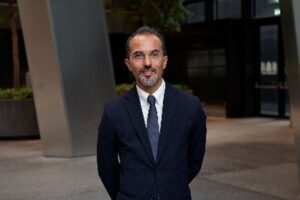
Faculty of Medicine and Psychology
Dept. of Neurosciences, Mental Health and Sensory Organs.
Sant’Andrea Hospital, Sapienza University of Rome, Italy
[su_expand height=”30″]
Candidacy Statement:
I spent the past twenty-five years researching the topic of suicide and suicidal behavior, trying my very best to combine both a clinical and epidemiological point of view. I started devoting great attention to mental pain in suicidal individuals and emphasize the importance of a proper
understanding of the suicidal mind. My affiliation with IASR dates back to more than twenty years, and I participated in my first IASR meeting in Killarney, Ireland, in 2007. I also participated and contributed to several IASR/AFSP summit meetings. My goals as President would be to promote collaboration between researchers through
dedicated programs and initiatives, as well as stimulate collaboration with international institutions for research purposes. I will provide a strategy to attract more members, especially among junior researchers. I will give intellectual stimulus based on suggestions from colleagues and leaders worldwide.
Qualifications and Career:
I’m a Full Professor and Chair of Psychiatry as part of the Faculty of Medicine and Psychology at Sapienza University of Rome, Italy, where I received my M.D. degree and trained in Psychiatry (both summa cum laude). Additionally, I serve as the faculty’s Director of the Residency Training
Program in Psychiatry. I’m also the Director of the University Psychiatric Clinic and the Suicide Prevention Center at Sant’Andrea Hospital in Rome. I’m also the President of the Psychiatric Rehabilitation Technique degree program at the Sapienza University of Rome. I also have a doctoral degree in Experimental and Clinical Neurosciences. Some twenty years ago, I was also part of the Community at McLean Hospital, Harvard Medical School, in the USA, where I received a psychiatry fellowship. I have numerous collaborations worldwide, and I serve as the principal investigator of several
major projects on suicide prevention. Additionally, I have been the Italian National Representative and a member of the Executive Committee for the International Association for Suicide Prevention (IASP). I’m listed second worldwide as an expert in suicide by Expertscape. I published over 700 peer-reviewed papers on suicide, bipolar disorders, and other psychiatric
perspectives, most of which were original research articles. I co-edited ten international books on suicide. My H-index is 81.
In a world increasingly plagued by mental health challenges, the urgency for comprehensive and innovative approaches to suicide prevention cannot be overstated. As we stand at a pivotal crossroads, it is essential to cultivate a collective consciousness around this pressing issue, emphasizing the importance of research and interdisciplinary collaboration. The contributions of esteemed professionals and organizations, such as the International Academy for Suicide Research, are invaluable as they foster environments conducive to sharing knowledge and best practices. By prioritizing evidence-based interventions and promoting global partnerships, we can advance our understanding of suicide risk factors and protective measures. This proactive stance is crucial, particularly amidst rising rates of suicide globally, echoing the need for targeted efforts and policies that extend beyond traditional methods. Ensuring a robust dialogue on these issues fosters engagement and awareness, which is vital in creating
sustainable change within communities. Furthermore, the implementation of regular symposia and workshops can facilitate knowledge exchange and creativity, serving as platforms for innovation and idea generation. Additionally, developing a centralized database of ongoing research can foster transparency and provide opportunities for collaborative projects, thereby minimizing redundancy and maximizing resource efficiency. Ultimately, prioritizing these goals not only bolsters individual research trajectories but also amplifies the Academy’s collective influence in addressing the pressing issue of suicide across diverse populations.
Research Interests:
My research has focused on the following areas: 1) suicide risk among psychiatric patients; 2) epidemiological studies on suicide through nationwide registers; 3) mental pain as an ingredient of suicide; 3) understanding of grief in survivors; 4) use of biological markers as tools
in defining suicide risk; 5) investigations on pharmacological interventions for suicide prevention; 6) shedding light on the phenomenology of suicide.
[/su_expand]
Candidate for President-Elect: Nadine M. Melhem, MPH, PhD
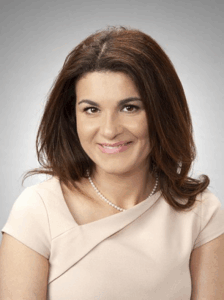
University of Pittsburgh School of Medicine
Department of Psychiatry
[su_expand height=”30″]
Candidacy Statement:
My research is focused on the neurobiology of stress response and suicide and have a long-standing multidisciplinary work in suicide research to reduce its morbidity and mortality burden in youth.
I have a series of mechanistic and translational studies focused on 1) understanding peripheral and brain mechanisms in the HPA axis and inflammatory pathways for suicidal behavior across the age span from early childhood to early adulthood (ages 4-30 years) using various methods (peripheral makers using blood, saliva, and hair samples; genetic markers, PET imaging, fMRI, fNIRS); and 2) identifying biomarkers for suicidal behavior that can be readily translated into clinical practice. Recently, my translational work has included testing a mobile safety planning app for suicide prevention in pediatric primary care settings using a randomized clinical trial study design with an implementation science approach through an ALACRITY P50 center and on developing machine learning algorithms for predicting suicidal behavior in youth in PPC settings and capacity building of clinicians to manage youth at risk for suicidal behavior.
It is an honor to be considered for President Elect for the International Academy of Suicide Research (IASR), the top organization promoting suicide research. I have been attending the IASR meetings since I was a graduate student where I was invited to present my dissertation work on grief in suicide bereaved youth, an invitation that turned into a lifelong commitment to participate and disseminate my work through IASR nationally and internationally for academicians, clinicians, public health professionals, and people with lived experience. I also have had a long-standing relationship with the American Foundation for Suicide Prevention (AFSP). AFSP has supported my research work throughout my career with a Young Investigator Award and two Standard-Linked Grants. In return, I was privileged to serve as a scientist reviewer for AFSP and a member of the Research Grants Committee. I believe my early experience with IASR has shaped my career and commitment to the field of suicide research. Suicidal behavior is one of the most serious and fatal outcomes in Psychiatry. Death by suicide is increasing in the United States and is the 2nd leading cause of death in youth and the age of onset for suicide is getting earlier and younger. Yet, the number of researchers focused on studying and conducting translational and suicide prevention research in suicidal behavior is limited. If I were to become President Elect for IASR, I would further strengthen the opportunities for early career investigators to: 1) actively participate in IASR to attend and present their work; 2) provide mentorship opportunities that will attract and guide the next generation of suicide researchers in all areas of research but more specifically in suicide prevention given the need for urgent translational research to reduce the burden of suicide. I would work on making such mentorship opportunities to continue after the meeting to support early career researchers nationally and worldwide; and 3) provide educational opportunities in the form of workshops or short courses for important emerging topics (e.g., machine learning, implementation science) to build skills. and foundational knowledge and memberships as IASR fellows. I am excited to lend my expertise to IASR to support its mission to continue to expand the field of suicide research.
[/su_expand]
Candidate for President-Elect: Jitender Sareen B.Sc., M.D., FRCPC
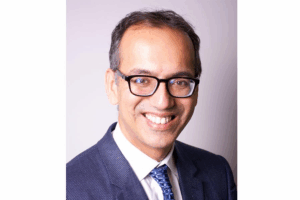
Professor and Head Department of Psychiatry,
Max Rady College of Medicine, University of Manitoba
Provincial Specialty Lead, Mental Health and Addictions, Shared Health
Specialty Lead, Mental Health, Winnipeg Regional Health Authority
[su_expand height=”30″]
Candidacy Statement:
Every year, more than 700,000 people die by suicide worldwide. As
researchers, we have the tools to prevent many of these deaths — yet too
often, those tools go unused. I am applying for the position of President-Elect of IASR with a clear, evidence-driven vision: to transform suicide prevention policy worldwide through the systematic implementation of research-backed strategies.
Although a vast body of scientific evidence supports interventions such as
means restriction, many countries and jurisdictions continue to disregard this knowledge, leaving preventable deaths unaddressed. As President-Elect, I will prioritize closing this gap between evidence and action by fostering
global collaborations that translate proven research into transformative policy and practice.
Qualifications and Career:
My commitment to suicide prevention is long-standing and grounded in
rigorous scholarship, mentorship, and leadership. I have served as Chair of
Psychiatry at the University of Manitoba for nine years, as well as Chair of
the Association of Chairs of Psychiatry in Canada, where I have worked to
coordinate national mental health research and advocate for evidence-based
policy. Notably, working with colleagues, I helped influence policy decisions
that delayed the expansion of Medical Assistance in Dying (MAiD) to
include mental illness in Canada from 2023 to 2027, allowing time to develop safeguards and conduct research to protect vulnerable populations from preventable suicide.
Beyond research and policy, I have mentored over 150 graduate students,
helping to develop the next generation of mental health and suicide
prevention scholars. I have published more than 450 peer-reviewed papers,
with a Google Scholar h-index of 123, contributing a sustained and impactful
body of knowledge to the field.
I have also collaborated internationally, sharing best practices and working to adapt evidence-based interventions across diverse cultural contexts. In
addition, I am committed to continuing the mission of current and previous
IASR presidents and president-elect to grow the suicide prevention research
workforce by emphasizing mentorship and providing opportunities for our
student and associate members to build their skillsets and actively participate in the governance of the organization.
These initiatives demonstrate my deep commitment to rigorous, community- informed, and actionable research. This mission is deeply personal to me, and I believe together, through IASR, we can ensure that evidence saves lives everywhere. As President-Elect, I will build on this foundation to promote impactful, evidence-based suicide prevention strategies globally, with a particular emphasis on systematically implementing what we already know works — transforming policy, practice, and, ultimately, the future of suicide prevention.
Research Interests:
My research contributions reflect a broad and inclusive approach to suicide
prevention:
Conducting epidemiological studies demonstrating the heightened
suicide risk associated with anxiety disorders, clarifying important
targets for intervention
Leading a nationally funded program dedicated to Indigenous suicide
prevention, addressing systemic inequities and working in true
partnership with communities
Conducting longitudinal research on suicide risk among military
veterans, yielding insights to inform policy and care for this vulnerable
population
Expanding access to evidence-based care by advancing the use of
computer-assisted CBT, making this transdiagnostic therapy available
throughout Manitoba
[/su_expand]
Candidate for Secretary: Cynthia Fontanella, PhD
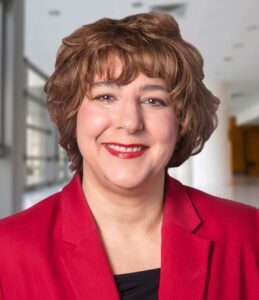
Professor, Department of Psychiatry and Behavioral Health
Chaddock/Morrow Endowed Scholar, Nationwide Children’s Hospital
College of Medicine
Wexner Medical Center
[su_expand height=”30″]
Candidacy Statement:
Dr. Cynthia Fontanella is a nationally recognized expert in youth suicide prevention and mental health services research. She is a Principal Investigator at the Center for Suicide Prevention and Research at Nationwide Children’s Hospital and a Professor in the Department of Psychiatry and Behavioral Health at The Ohio State University. Dr. Fontanella received her Bachelor of Science degree in Psychology from Villanova University, a Master’s of Social Service (MSS) from Bryn Mawr College, and a PhD in Social Work from the University of Maryland, Baltimore. She completed a postdoctoral fellowship in mental health services research at the Rutgers Institute for Health, Health Care Policy, and Aging Research, under the mentorship of Dr. David Mechanic. Her research focuses on understanding and preventing suicide among youth in “boundaried” setting—such as Medicaid, child welfare, and health care settings—where vulnerable populations receive care. Dr. Fontanella’s work spans five interrelated areas: (1) examining the relationship between suicide and health service use, including access and quality of care; (2) identifying geographic and contextual disparities in suicide across the United States; (3) advancing knowledge of the epidemiology of youth suicide and suicidal behavior; (4) developing and evaluating suicide prevention interventions within health care systems; and (5) improving
quality of care for children and youth in real-world clinical settings and examining its association with clinical outcomes.
A hallmark of Dr. Fontanella’s scholarship is her innovative use of “big data” to inform clinical practice and policy. She has extensive expertise in analyzing large administrative claims databases—including state and national Medicaid data—as well as public survey and proprietary datasets. Her research often integrates individual-level data (e.g., hospital and claims records) with contextual social determinants of health to identify risk pathways and inform suicide prevention strategies. In recognition of her expertise, she was invited in 2015 by Dr. Richard McKeon of the Substance Abuse and Mental Health Services Administration (SAMHSA) to participate in a White House discussion on Medicaid and mental health under President Obama’s administration.
Dr. Fontanella has published more than 80 peer-reviewed articles in leading journals, including JAMA Pediatrics, JAMA Network Open, American Journal of Preventive Medicine, and Journal of the American Academy of Child and Adolescent Psychiatry. Her research on youth suicide prevention has received national attention and has been featured in prominent media outlets such as The New York Times, NPR, and The Washington Post, highlighting its broad public health relevance and impact. She has a strong record of federal research funding and currently serves as Multiple Principal Investigator (MPI) on the NIMH
P50 Center for Accelerating Suicide Prevention in Real-World Settings, Principal Investigator on two NIMH R01 grants, and Co-Investigator on additional NIH-funded projects (R01, R34). She also leads the Center’s signature R01 project, Stepped Approach to Reducing Risk of Suicide in Primary Care (STARRS-PC)—a large hybrid Type 1 stepped-wedge effectiveness-implementation trial testing a population-based quality improvement intervention to reduce youth suicide. Additionally, she was recently awarded a Blue Sky Grant from the American Foundation for Suicide Prevention to develop machine learning–based suicide risk prediction algorithms in outpatient youth care. Through her scholarship, mentorship, and leadership, Dr. Fontanella is advancing the science and practice of suicide prevention for youth in vulnerable systems, with the goal of translating data-driven insights into sustainable, real-world clinical solutions.
[/su_expand]
Candidate for Secretary: Sakina Rizvi, PhD, MACP, RP

Associate Professor, Department of Psychiatry, Faculty of Medicine Collaborative Program in Neuroscience, University of Toronto
Scientific Associate, Department of Psychiatry, University Health Network
[su_expand height=”30″]
Candidacy Statement:
I am excited to submit my candidacy for the role of Secretary with the International Academy of Suicide Research (IASR). IASR plays a vital role in fostering global collaboration and advancing the field of suicide research, and I am eager to contribute to this mission through dedicated service and strong
organizational leadership.
As the Chair of the Arthur Sommer Rotenberg Suicide and Depression Studies Program at the University of Toronto and St. Michael’s Hospital, I lead a multidisciplinary research program that brings together neurobiology, psychotherapy, and community suicide prevention. This work involves managing large teams, ensuring regulatory and ethical compliance, and coordinating with partners across local, national, and international levels. I have led and co-led numerous multi-site studies, serving as the administrative and organizational lead responsible for documentation, communication, and strategic alignment.
I bring extensive governance experience to this role. Internationally, I serve as Co-Chair of the Committee for the Advancement of Women in Leadership within the Society of Biological Psychiatry, supporting programming and recognition initiatives for over 500 members. Nationally, I have held leadership roles on
advisory committees for the National Collaborative for Suicide Prevention and Canadian research networks. Locally, I have chaired multiple committees, served on promotions and awards committees, and co-chaired major scientific conferences. Across these roles, I have developed a strong foundation in record-
keeping, transparent decision-making, and effective communication.
I am also deeply committed to creating accessible and engaging communication. I have led large public events for World Suicide Prevention Day, launched a monthly suicide research speaker series, organized symposia, and lead two mentorship programs at U of T for scientists and racialized women in academia.
These experiences have strengthened my ability to build inclusive communities while maintaining clear administrative structures, skills that align well with the responsibilities of the Secretary position.
[/su_expand]
Register your vote
Only regular members can access this content. Please log in to view.
Please use the form above to vote.
Only regular members can access this content. Please log in to view.
If you are logged in and the form does not appear, please reload this page.
If you have any issue with access, please send your vote by email to
webmaster@suicide-research.org
with the subject: “Member vote”